Access on constrained agricultural and rural sites
Where vertical drilling is blocked by tile systems, site infrastructure, or subsurface geology.
Most drilling projects in Wales move forward without complication. The site is open, the geology is workable, and a conventional vertical rig gets the job done efficiently. But a meaningful number of properties in this area present conditions where that is not the case. Setback constraints from drainage features, rural properties with buried tile systems running across the only viable drill corridor, finished farm sites where surface disruption means real operational damage, and parcels where subsurface geology blocks a straight-down approach all call for a different method. That method is directional drilling.
Herr Well Drilling, Inc. has been serving Wales and the surrounding Waukesha County townships since 1964. Our family-owned, multi-generational well drilling company applies horizontal directional drilling, angled well drilling, trenchless drilling, and obstacle avoidance techniques when the site requires them. Four generations of the Herr and Domres families have drilled in this county. That experience includes the geological and site-condition knowledge that informs every directional drilling decision we make on a Wales-area property.
Our directional drilling services in Wales cover residential, agricultural, and commercial applications throughout central Waukesha County's rural corridor. Services include horizontal directional drilling for utility installation beneath roads, drainage features, driveways, and existing site infrastructure without excavation; angled well drilling to reach aquifer zones that lie offset from the available surface entry point; obstacle avoidance drilling on sites with buried tile lines, utility infrastructure, or existing structures that cannot be disturbed; precision water source targeting through geological evaluation of productive aquifer formations; and minimal surface disturbance drilling for sites where protecting the surface is as important as completing the project below it. Our crews regularly handle Herr Well Drilling, Inc..
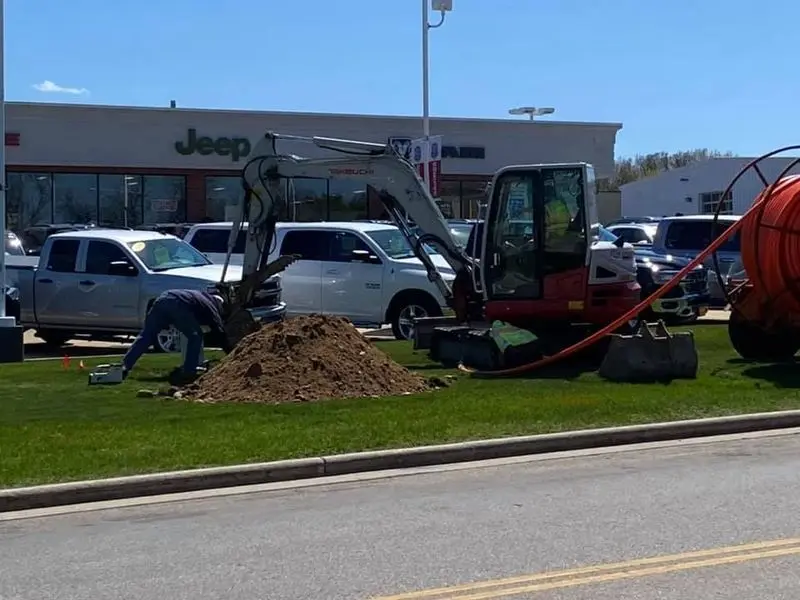
Trenchless utility installation is a regular part of our work in rural and semi-rural settings like Wales. Installing water lines, conduit, or other underground utilities beneath existing farm roads, drainage crossings, or established lot features without cutting or excavating is a practical application of HDD drilling that avoids significant site disruption. Utility directional drilling in this environment keeps the project moving without compromising infrastructure that took years to establish.
This is usually where property owners in Wales and the surrounding townships run into problems with contractors who only carry vertical equipment. The site assessment reveals conditions the contractor cannot work around, and the project stops. Knowing that horizontal boring and directional drilling services are available changes the scope of what is possible before that point is reached. Ask us about agriculture wells services as well.
Agricultural properties in central Waukesha County carry specific subsurface complexity. Drainage tile systems installed across productive farmland represent a real obstacle for vertical drilling, and a directional approach can navigate a bore path that avoids that infrastructure entirely. The same applies to rural residential properties where well-established site features limit where a rig can be placed and where it can drill vertically without causing surface damage.
The Wales area geology also produces subsurface conditions that warrant directional capability. Glacial material in this part of the county includes dense formations and scattered boulders that vertical drilling encounters without warning. Underground directional drilling allows the bore path to steer around those obstacles rather than stopping when they are hit. For properties where the productive aquifer zone is offset from the only available drill position, directional boring makes the project viable. Many homeowners in the area also ask about our directional drilling contractor.
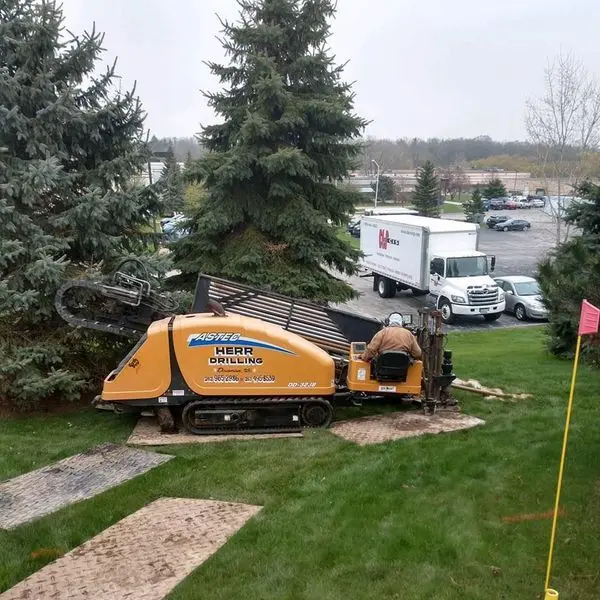
Where vertical drilling is blocked by tile systems, site infrastructure, or subsurface geology.
Farmland, driveways, and established rural site features stay undisturbed throughout the project. Explore our water well development for more details.
Drainage tile, buried utilities, boulders, and old casings are steered around rather than stopped at.
Geological evaluation identifies productive aquifer zones, and the bore path is planned to reach them accurately. We also provide well drilling contractor.
Underground utilities are installed without excavation through established farm roads, drainage crossings, or finished lot surfaces.
Residential, agricultural, and commercial projects all within the directional drilling scope. Learn more about our well pump replacement services.
HDD drilling is the most technically complex capability we carry. It requires specialized equipment, real-time bore path navigation, and an operator who interprets changing subsurface conditions and adjusts the drill path accordingly throughout the bore. We use horizontal directional drilling in Wales for utility crossings beneath rural roads and drainage features, water line installation beneath existing agricultural structures, and well access on agricultural and residential properties where the target formation cannot be reached from the available vertical entry point.
Angled well drilling steers the bore off-vertical at a controlled angle to reach a formation that is offset from the surface entry point, to clear buried infrastructure, or to align with a fracture orientation in the productive bedrock below. On agricultural parcels in central Waukesha County, where drainage tile systems and operational infrastructure frequently occupy the space directly above the ideal drilling target, angled drilling provides access that vertical drilling cannot. Have questions? request a free estimate and we'll walk you through it.
Active farm properties in Wales carry a dense subsurface record: old well casings, tile systems, buried fuel lines, electrical conduit, and decades of infrastructure installation. A contractor limited to vertical drilling has no path forward when one of these obstacles is encountered at depth. Our directional drilling contractor capability allows us to navigate around the obstacle with a controlled bore path, continuing toward the target zone rather than abandoning the location.
Water lines, conduit, and underground utilities can be installed across drainage features, beneath farm roads, and through established landscape corridors without excavation. For Wales-area properties where open-cut installation would disrupt drainage infrastructure, compromise field access, or require significant restoration work, trenchless drilling is the approach that gets the utility in the ground without collateral site damage. Our crews regularly handle Waukesha water well development services.
Herr Well Drilling's directional drilling services are available throughout Wales and the surrounding communities, including Dousman, Genesee, Eagle, Waukesha, Delafield, Summit, and across the rural townships of central and western Waukesha County. Our home base in Dousman is just a few miles west of Wales, making this one of our most consistently served local corridors. We also reach Jefferson County agricultural properties to the west.
If a previous contractor ran into obstacles your Wales property presented and stopped, contact Herr Well Drilling, Inc. before writing off the project. We evaluate the site conditions, review geological data, and give you an honest picture of what directional drilling can accomplish and what it requires. Ask us about Dousman water well development services as well.
Several conditions common to agricultural and rural properties in central Waukesha County make directional drilling the more practical approach. Drainage tile systems running beneath the drill corridor, buried farm utilities, operational infrastructure that cannot be disturbed, and subsurface boulder formations are all obstacles that stop a vertical rig. Directional boring steers around those conditions rather than being stopped by them.
Our bore path planning begins with a review of known subsurface infrastructure, including drainage tile systems where mapping is available. The directional bore path is designed to avoid tile systems by passing above, below, or to the side of them. On properties where tile mapping is incomplete, we use bore tracking technology throughout the project to monitor drill head depth and location and adjust the path as conditions require.
A trenchless installation on a rural property might involve running a water line beneath an existing farm road, installing conduit beneath a creek or drainage ditch crossing, or placing underground utilities across a field corridor without open excavation. Project size ranges from a single short crossing completed in a day to multi-segment installations on larger agricultural properties that run several days. We assess the specific scope and provide a realistic timeline during the initial evaluation.
Yes. If the original well location has been compromised by surface development, buried infrastructure, or changed site conditions, directional drilling can reach the target aquifer from a new surface entry point at a distance from the original location. This is a practical solution on farm properties where operational changes have made the original well site inaccessible.
Precision water source targeting combines geological evaluation of the subsurface with directional drilling capability to reach the most productive aquifer zone beneath a property, even when that zone is not directly accessible from the available entry point. On agricultural properties in Wales, this approach is useful when the highest-yield formation is offset from the only viable surface drilling location due to site constraints or existing infrastructure.
Yes. We manage applicable permit coordination for every directional project we take on. Well drilling requires a Wisconsin DNR permit regardless of the drilling method used. Utility crossings beneath public roads or right-of-way areas require county or municipal permits. We handle those applications and coordinate with the relevant agencies throughout the review process.
Timeline depends on project scope, depth, and site conditions. A single utility crossing can typically be completed in one day. A directional well drilling project on a constrained rural parcel generally runs two to three days. More complex installations involving multiple bore segments or deeper formations extend that window. We provide specific timeline estimates after the site assessment, not before.
Call us before accepting that conclusion. The conditions that cause a contractor with only vertical capability to walk away from a project are often the exact conditions that directional drilling was designed to address. We evaluate the site independently and give you an honest assessment of whether a directional approach changes the outcome. There is no obligation in having that conversation.
We handle the full range of well work in Wales — drilling, development, pumps, service, and repair.
Outside Wales? We provide the same directional drilling service across Southeast Wisconsin.
Need a new well drilled, an existing system repaired, or an honest assessment of your property's water situation? We'll get back to you within 48 hours — free, no-obligation, no sales pressure.