Professional Agricultural Well Drilling in Wales, WI
Herr Well Drilling, Inc. has been serving the Wales area with agriculture wells and agricultural well drilling services since 1964. Wales sits in the heart of Waukesha County's rural corridor — a community where private wells are the norm and farm water systems are built for serious use. Our family-owned well drilling company has drilled on the farms, rural parcels, and agricultural properties in this township for more than sixty years.
Four generations of the Herr and Domres families have built their reputation on this ground. The current co-owners — Nathan, Adam, DJ, and Kendel — grew up in this business and know this county's subsurface conditions the way only generational experience teaches.
What We Do: Agricultural Well Drilling Services in Wales
Our well drilling services in Wales cover every stage of agricultural and rural water system installation. Farm well drilling, irrigation well drilling, water wells for irrigation, agricultural well installation, irrigation system integration, and high-capacity systems for operations with demanding volume requirements. We also handle domestic well needs for rural residential properties tied to working farms.
As a
well drilling company and
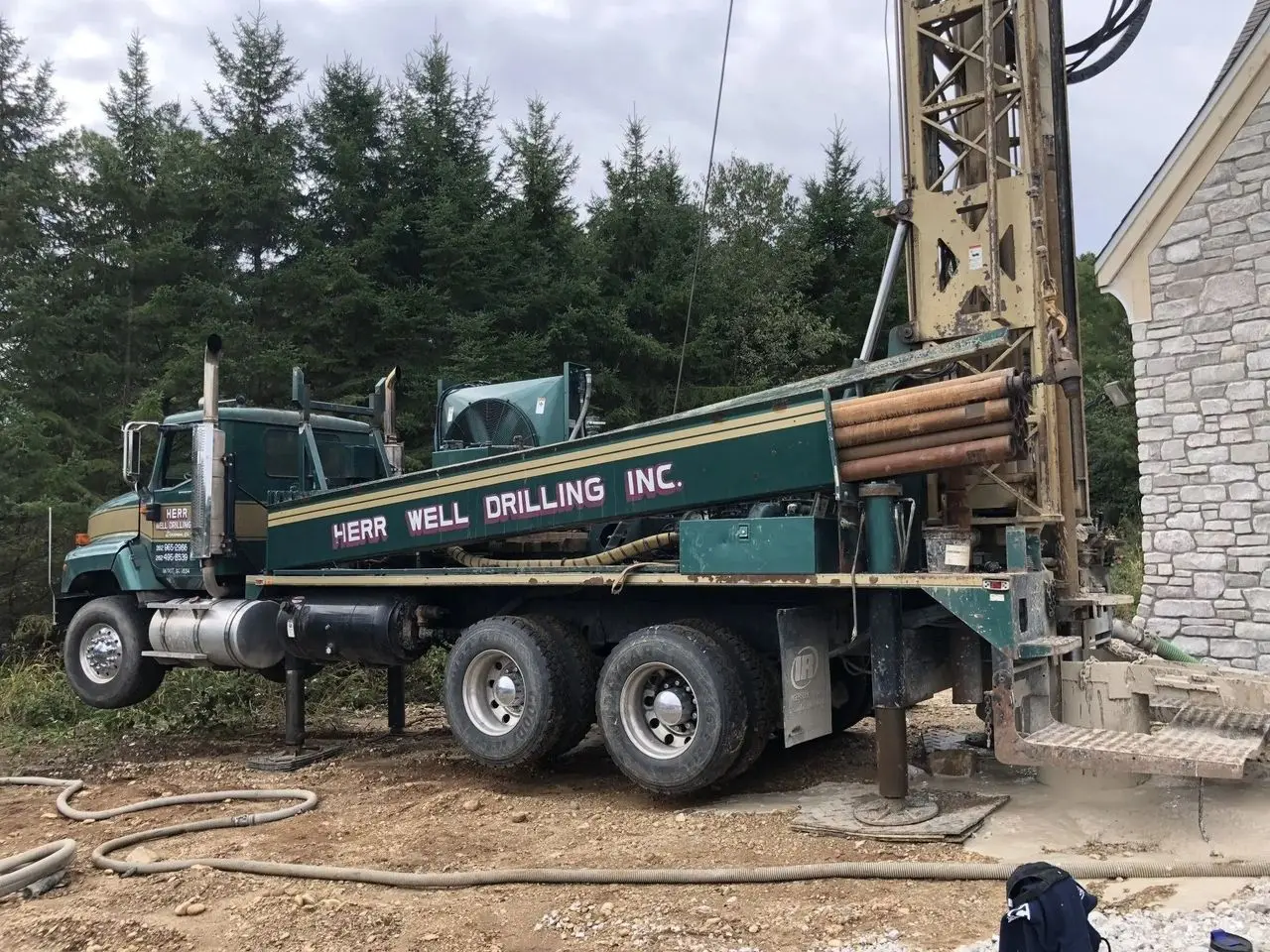
licensed well drilling contractor operating under Wisconsin DNR standards, we manage the entire project with our own crew. No subcontracting the drilling. No handing off the pump installation. Site assessment, permitting, drilling, casing, pump and pressure system setup, and water quality testing all stay with the same team from start to finish. Water well drilling for agricultural applications carries unique engineering demands that we address on every project.
Featured Services
Farm Well Drilling and Farm Water Wells in Wales
Farm well drilling in Wales serves properties that range from small hobby farms to larger working agricultural operations with year-round water demands. Farm water wells in this township need to be sized for the actual use—livestock watering, wash-down supply, irrigation draw, and domestic use on the farm residence are all separate loads that affect how the system is designed. We account for all of them.
Irrigation Well Drilling and Water Wells for Irrigation
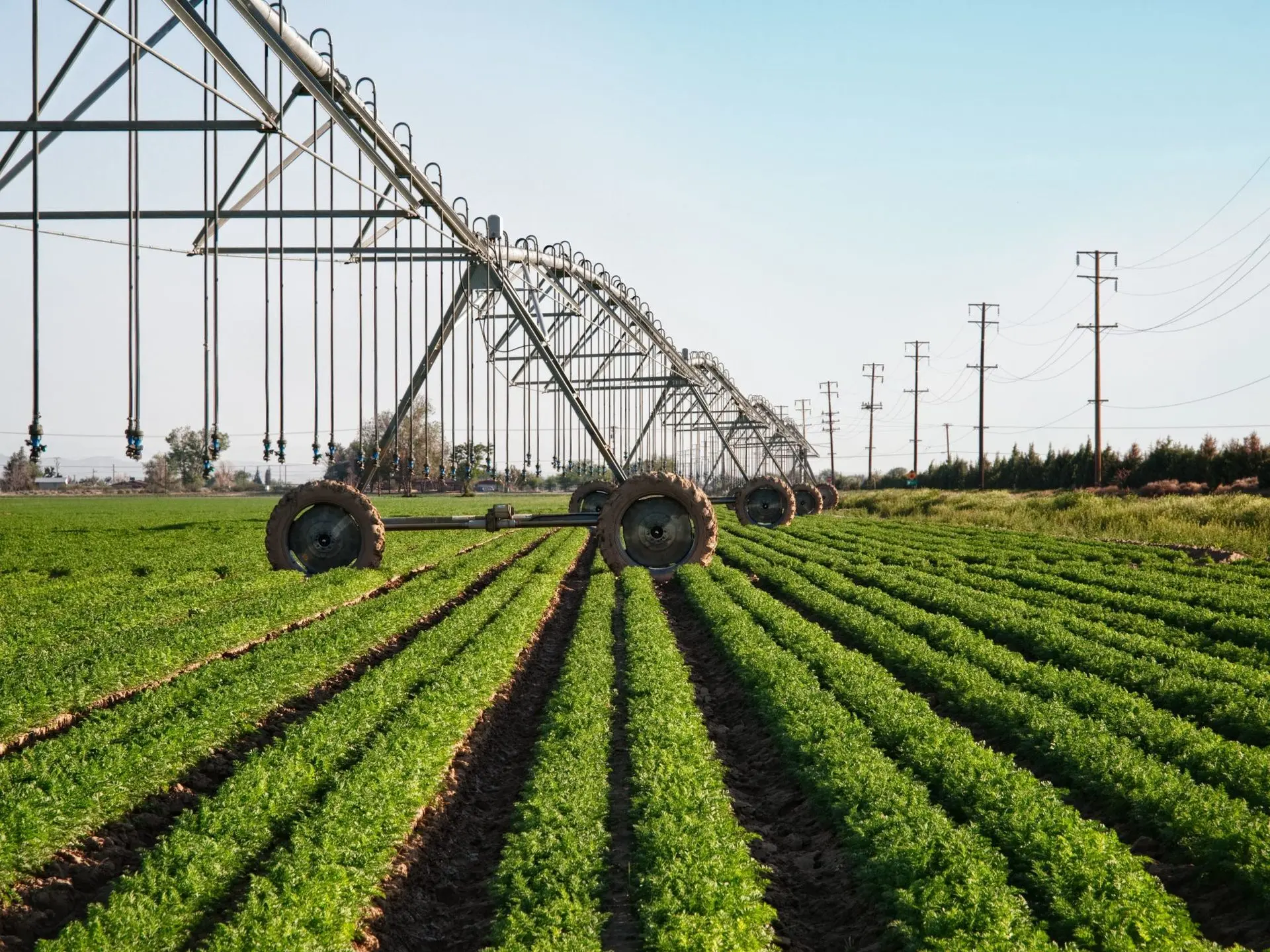
Agricultural land in the Wales area includes properties where irrigation well drilling is the most critical infrastructure investment on the farm. Water wells for irrigation must deliver consistent output at peak draw rates during the periods of highest crop stress. Designing a well that performs reliably under that pressure requires yield-focused drilling decisions and pump selection based on operational demand. This is usually where people run into problems when they hire a contractor without agricultural well drilling experience.
Agricultural Well Installation and Irrigation System Integration
Agricultural well installation in Wales often involves properties where the surface infrastructure is already partially in place. Irrigation system integration in these situations means designing the well to match the existing distribution network or upgrading both components together. We evaluate the full system before drilling—not just the ground conditions, but the operational context the new well is entering.
High-Capacity Farm Well Drilling for Volume-Intensive Operations
Agricultural operations around Wales that require sustained high-volume water supply need more than standard residential drilling can provide. As an experienced agricultural well drilling contractor, we build these systems with rigorous yield testing during development, engineered pump selection, and full production documentation before the project is considered complete. High-capacity farm water wells are built to perform under load, not just at startup.

Why Choose Herr Well Drilling, Inc.
Herr Well Drilling, Inc. is not a national company that operates in this area. It is a family business that was founded here, has operated here through every decade since 1964, and is run today by the fourth generation of the same family.
John Herr Sr. was a master plumber who brought a well drilling rig into the family operation. John Herr Jr. built the drilling company into his full-time profession. His daughter Theresa became president of the company. Her children — Nathan, Adam, DJ, and Kendel — are now the co-owners, having taken over after the unexpected loss of both parents in 2024. Every generation has worked this same Waukesha County ground.
Farms and agricultural properties in Wales searching for a drilling contractor near me or a well drilling company near me will find a company with six decades of actual agricultural well experience in this specific region. That history is not something that can be duplicated by a competitor who arrived recently.

Key Benefits and Outcomes
Agricultural water infrastructure built correctly from the start protects the operation it serves for decades. Here is what working with our team delivers:
- Wisconsin DNR-licensed well drilling contractor with sixty years of Waukesha County agricultural project history
- Farm well drilling sized to the actual operational demand of the property
- Irrigation well installation built for peak-season output under sustained draw
- Permit coordination, including agricultural setback compliance, managed by our team
- Full system installation covering well, casing, pump, pressure system, irrigation system integration, and water quality testing
- Available for ongoing yield testing, pump service, and system inspection
- Serving well-drilling companies near me and drilling contractors near me requests across Wales and Waukesha County
Service Areas from Wales
Wales sits between Waukesha to the east and Dousman to the west, placing it at the center of our core service corridor. From here we regularly serve Genesee, Eagle, Summit, Delafield, and the rural townships throughout the western half of Waukesha County. Oconomowoc to the north and Muskego to the southeast are both within regular range. Our home base in Dousman is a short drive west, and Jefferson County agricultural clients are accessible from this corridor as well.
Contact Herr Well Drilling, Inc. in Wales.
A well drilling contractor with sixty years of agricultural history in Waukesha County and four generations of family ownership behind the work.
If you need agriculture wells, irrigation well drilling, farm water wells, or any agricultural well drilling services in Wales, reach out directly. We will give you a straight assessment and a realistic plan.
Call us: 262-965-2986
Herr Well Drilling, Inc. | Dousman, WI | Serving farms and rural properties across Waukesha County since 1964.
Frequently Asked Questions (FAQs)
What makes agricultural well drilling in Wales different from residential drilling?
The primary difference is yield requirement and sustained output performance. Residential wells serve predictable, moderate daily demand. Agricultural wells — particularly those serving irrigation or livestock operations — must sustain high draw rates over extended periods. The well depth, casing diameter, and pump selection all reflect that difference. We spec agricultural wells around operational demand, not residential standards.
How does the Wales area's geology affect agricultural well depth?
Wales sits over a mix of glacial deposits and bedrock formations typical of western Waukesha County. Many agricultural properties access productive aquifers in bedrock formations between 150 and 300 feet, though parcel-specific conditions vary. Surface contamination risk in some glacial sand formations makes deeper bedrock targeting the preferred approach for drinking and livestock water applications.
What setback distances apply to agricultural wells near manure storage or feedlots?
Wisconsin DNR setback requirements for agricultural wells include minimum distances from livestock facilities, manure storage structures, fuel tanks, and other contamination sources. The specific distances depend on well depth, casing type, and the nature of the adjacent facility. We evaluate all setback conditions during the site assessment phase and locate the well to satisfy all applicable requirements.
Can a single well serve both livestock watering and crop irrigation on the same farm?
It depends on the yield of the aquifer at that site and the combined daily demand of both uses. On properties where the formation can sustain the combined draw, a single high-capacity well may be sufficient. On properties where the demand exceeds what one formation can reliably provide, a dedicated irrigation well is the better investment. We assess feasibility for each specific parcel.
What is irrigation system integration and why does it matter for a new well?
Irrigation system integration is the process of designing the well and the surface distribution infrastructure as a coordinated system. Pump selection, pressure settings, and distribution line specifications all need to match the well's output capacity and the irrigation system's delivery requirements. When the two are designed together, the system functions as intended from the first day of operation.
How do drought conditions affect agricultural well performance in this area?
Bedrock aquifer wells are generally more resilient to drought than shallow sand and gravel wells because they draw from formations that recharge over longer geological cycles. During extended dry periods, shallow wells serving agricultural operations are more vulnerable to yield decline. This is one reason we prioritize bedrock aquifer targeting for farm water wells in areas where shallow formations are present.
Do you handle well permitting for agricultural projects in Wales?
Yes. We coordinate the full Wisconsin DNR permitting process for agricultural well projects, including preparation of the permit application, site plan documentation, and setback evaluations. Agricultural permits involve additional considerations compared to residential permits, and our team manages the process so the landowner does not have to navigate it independently.
How do I know if my existing farm well can handle additional irrigation demand?
A yield test is the most reliable way to determine whether your existing well can sustain increased demand. We conduct yield testing on existing agricultural wells and evaluate the pump and pressure system alongside the formation yield. If the well cannot meet the additional load, we will tell you clearly and outline the options—whether that is pump repositioning, deepening, or a new dedicated irrigation well.